
PugJesus
- 81 Posts
- 167 Comments
Bibi loves Nazis, especially the American Nazis who offer him infinite support.
 1·7 小时前
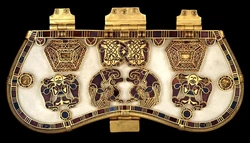
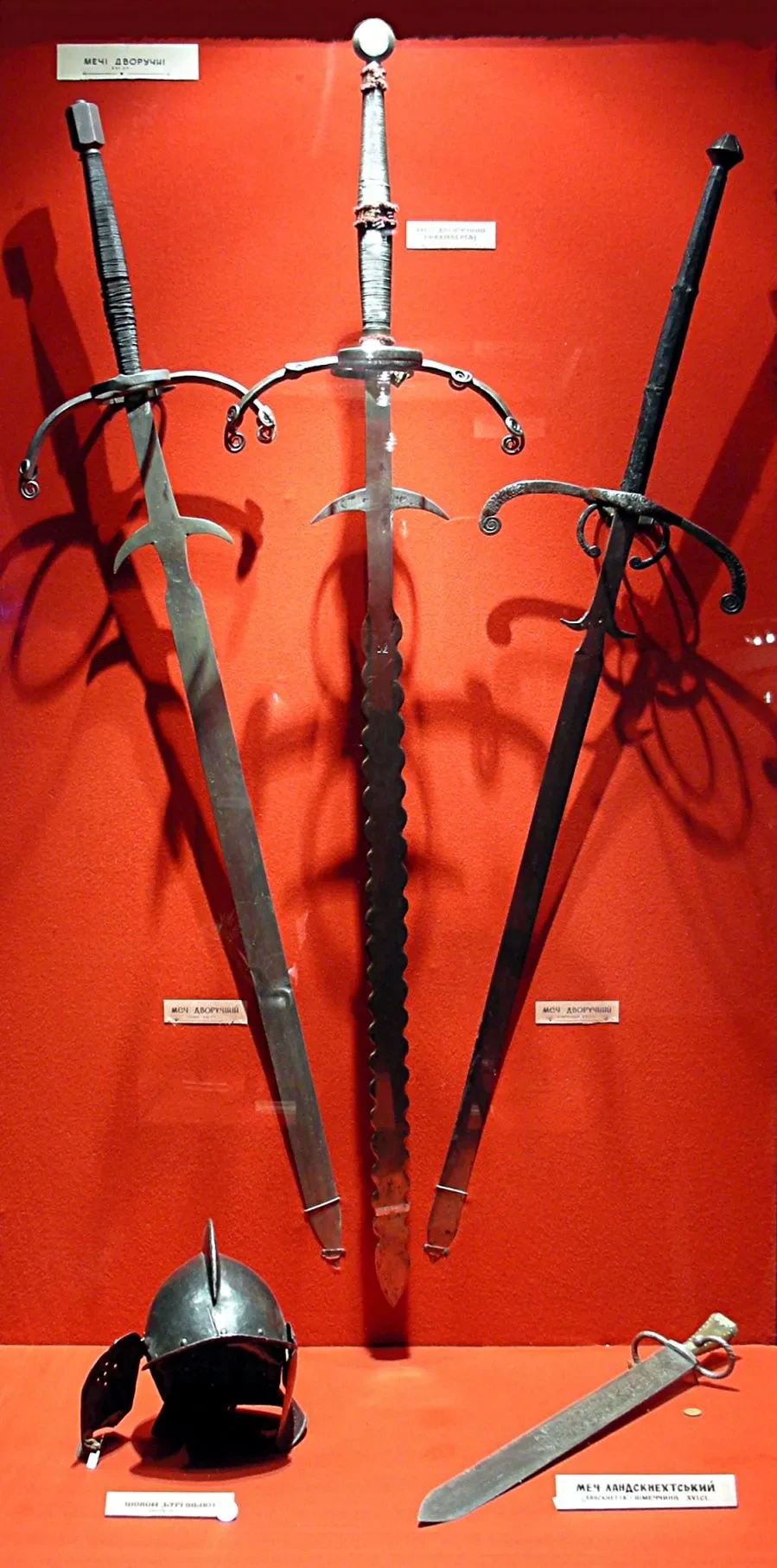
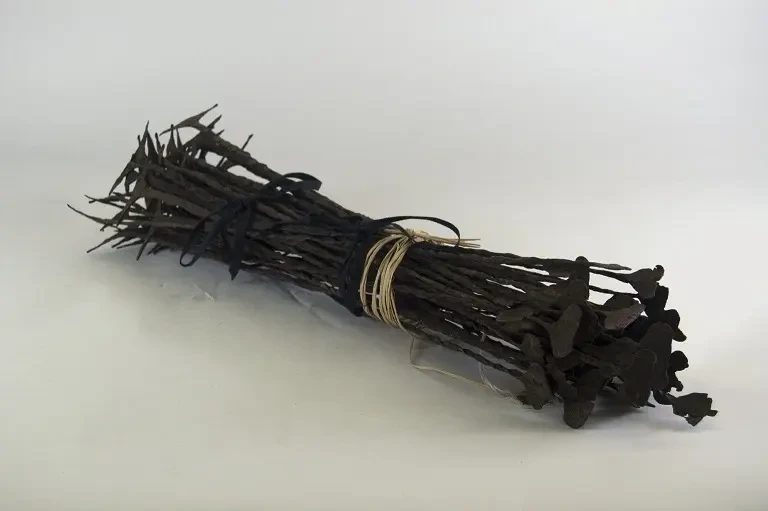
A good swordsman uses the tangling!
Those protrusions and the like are used to ‘bind’ and control an enemy’s weapon.
I’m blown away every time I see it. It looks so otherworldly.
 2·22 小时前
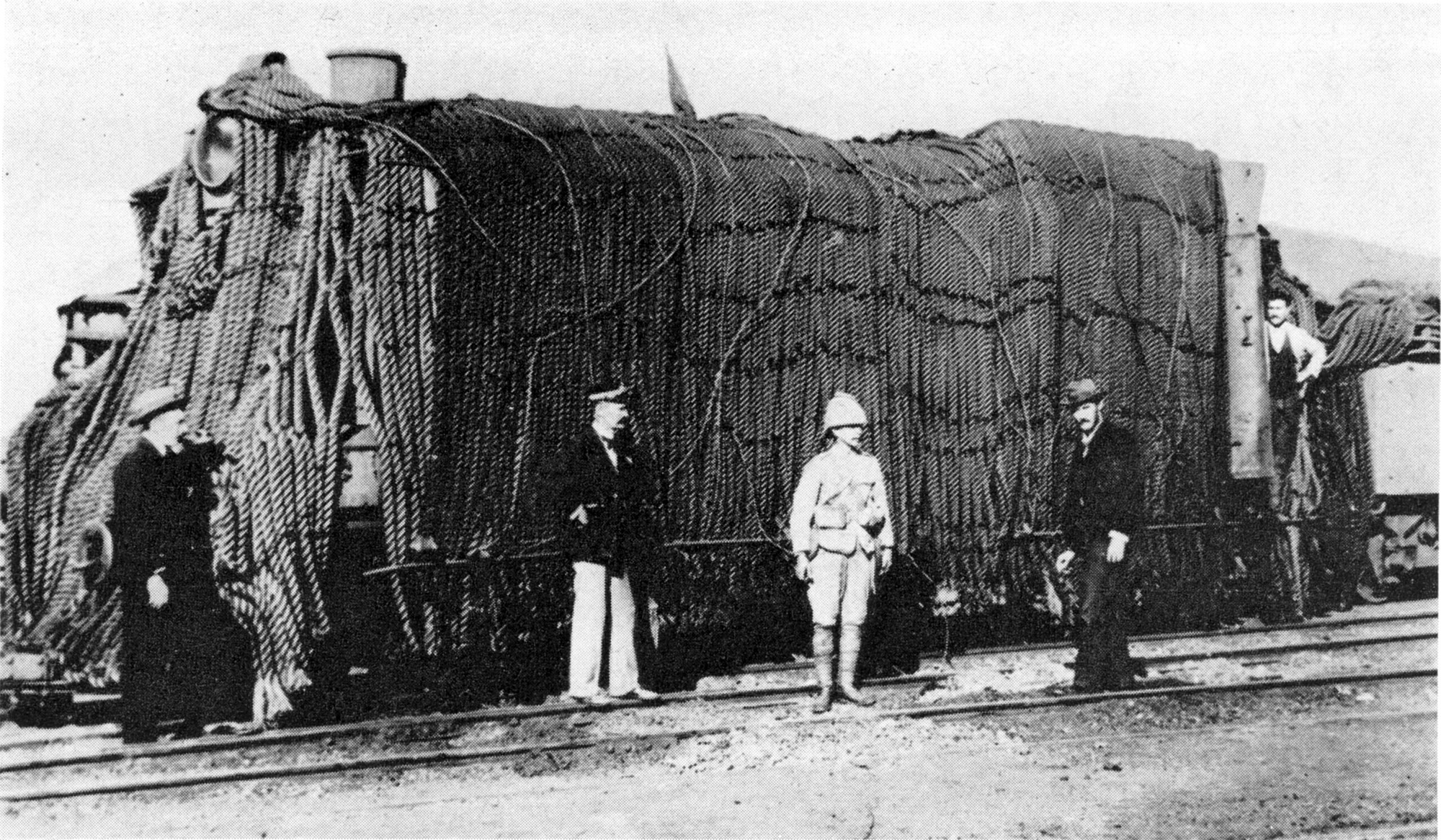
I’m honestly not entirely sure if it was actually effective. Just that Boer raids on trains had caused the Brits to start thinking of ways to better-armor their trains with what they had on hand. And what they had was Royal Navy ropes.
Hairy Mary got lots of spunky British seamen to toss their rope all over her
Sure to an extent, but bombastic doesn’t have to mean something with immediate material consequences. Attacks that actually and immediately hurt Americans could’ve easily waited until the fascists consolidated more power. It’s telling that project 2025 says almost nothing about tariffs. Shitty rhetoric and threats to annex Greenland and Canada could’ve come without the tariffs, that last bit was just Trump being delusional. Hell, tariffs against Canada could’ve come without tariffs against the EU, and both of these could’ve come without tariffs against China. A more clever fascist would’ve manages to tick this box without rocking the boat during their consolidation of power.
I dunno, man. I feel like the material consequences don’t really matter. Fascism is an anti-materialist ideology. Suffering will be blamed on ‘the libs’ for as long as it takes. Hell, I’ve seen prices of some consumer goods increase 25% this year alone, directly related to the tariffs, and still know people (family, unfortunately) who will swear up and down that the economy and prices have improved. Not even hardcore MAGAts (I know at least one despises Trump, specifically, to the point of not voting for him, despite being otherwise horrifically conservative), just your usual, run-of-the-mill rural or semirural Americans.
People who are trained to do so will almost always prioritize their beliefs over facts.
I remember the Iran thing pissing quite a few MAGAs off. That’s what I eas referring to, drastic American action in places MAGAts don’t really care about is not a popular proposition among MAGA because those guys actually believe in America First.
I promise you, they would all enthusiastically become supporters of war with Iran if it ever became a serious possibility. The “NO FOREIGN WARS” bit is tossed out as soon as the groupthink starts up. I’ve watched even non-MAGA conservatives do 180s on issues as soon as the propaganda spins up. I’ve seen people who were seriously considering volunteering in Ukraine at the start of the war, and vocal supporters of Ukrainian aid, turn into total opponents of Ukrainian military aid (despite still supporting Israeli aid).
Propaganda and community consensus are powerful things, and more powerful amongst conservatives than most.

 61·24 小时前
NCD is leaking?
That’s one of the major speculations! There are incidents where coin symbolism and the ‘low’ status of brothels were at odds. The “Brothel tokens” idea is that ‘real’ money was exchanged outside of the brothels (preventing ‘contamination’ of currency with the faces of prominent and dignified figures) in exchange for these tokens, which were used as currency inside the brothels.
The theory is just one of several since evidence is scarce on the tokens’ actual usage, but it’s an interesting one!
I think you overestimate the latitude fascists have to make policy, given the context of fascism. Any fascist coming to power in the US was naturally going to gravitate away from alignment with our traditional allies - even those as close and cooperative as Canada - and seek bombastic attacks on both traditional allies (showing ‘strength’) and traditional enemies. Since Russia and Israel are supportive of US fascism, and China is economically powerful, that leaves only a handful of targets.
Not only that, but where do you get the idea that MAGA chafes under his Middle Eastern policy? The only MAGA that are chafing under his Middle Eastern policy are the actual neonazis who hate Israel for being Jewish, which are a small proportion compared to the Christian nationalists who want Israel to be supported unconditionally to trigger the end times. And don’t get me started on what they think about bombing Middle-Eastern countries.
There absolutely will be, but Trump built his movement on some not-very-solid ground, like protectionism, interventionism abroad+America first and pro-Russianism.
The only one of those that isn’t inherent to fascism is the pro-Russian orientation.
… do you think there’s not going to be another fascist demagogue after Trump dies now?
There’s nothing quite like being told that the worsening of the lives of millions of people, both in America and abroad, isn’t a big deal because the other choice wouldn’t have radically improved our shitty society.
I’ll take the ball of light over the current state of affairs, if I’m being honest
Mixture of factors. Activity at certain sites for one - if you know that a villa wasn’t built until the reign of Tiberius, then you can figure pretty strongly that finds of Roman make at the site are contemporary with or post-date Tiberius. That sort of thing.
But there are also strong stylistic trends in many manufactured goods - pottery is a big one that can be traced like this.
For this one, I don’t know the specifics (and I’m sure some of the specifics would be beyond me), but the Picts are not referenced in Roman writings until the late 3rd century AD, so it almost certainly post-dates the 3rd century by that alone.
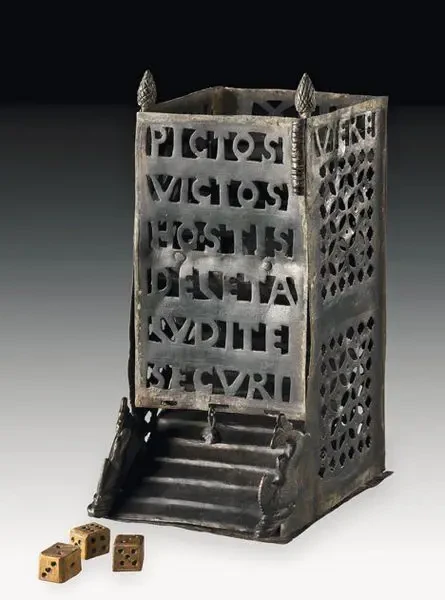
The Romans loved dicing. Most often in the form of gambling, but sometimes just for fun.
You can’t have some cagey bastard fudging the rolls when you’re gambling! Make him use… THE TOWER
The front reads
“PICTOS VICTOS HOSTIS DELETA
LVDITE
SECVRI”This translates as something along the lines of “Victory over the Picts, enemies destroyed, game safely”
https://en.wikipedia.org/wiki/Vettweiss-Froitzheim_Dice_Tower




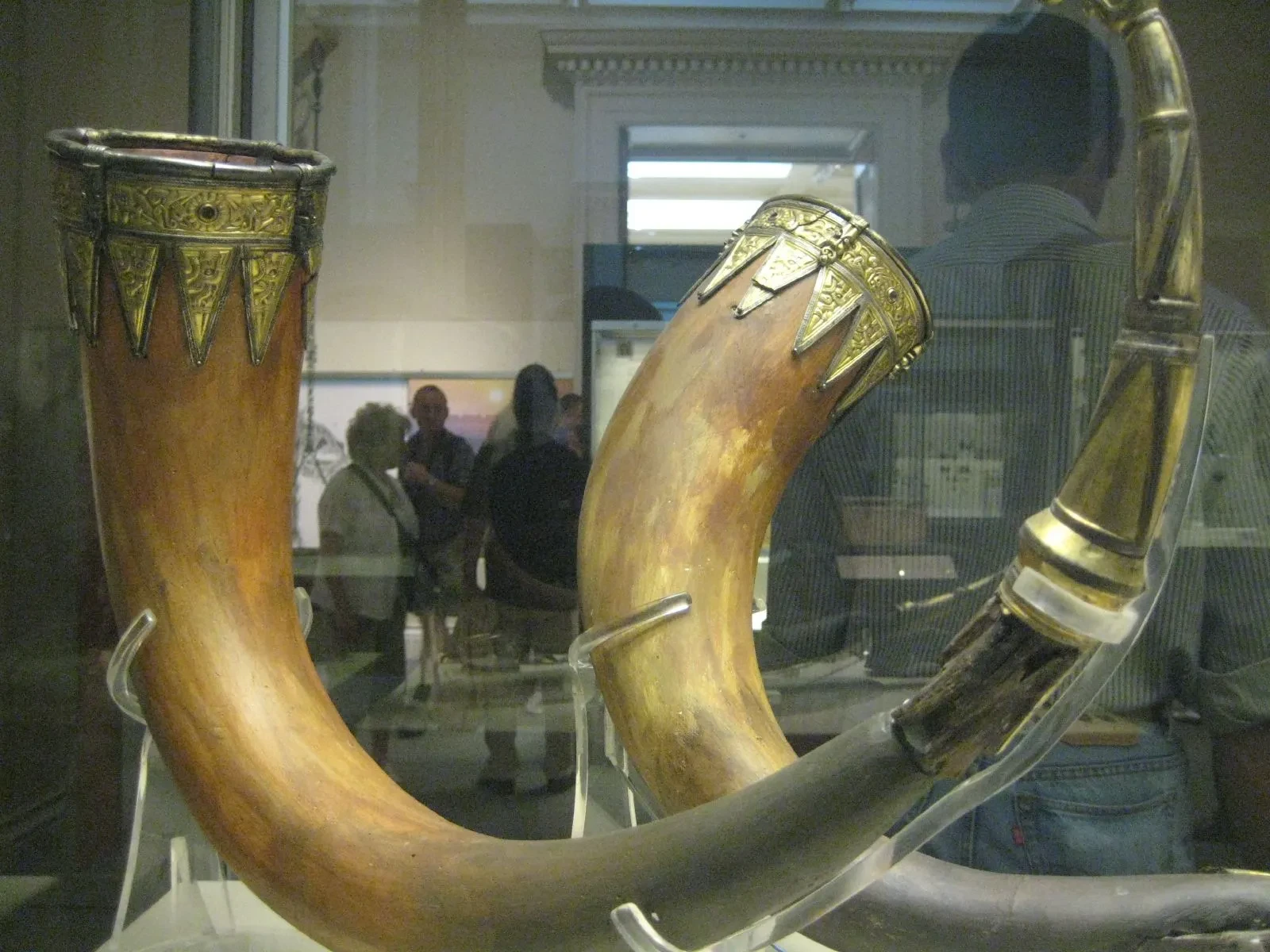



https://commons.wikimedia.org/wiki/File:Taplow_drinking_horns.jpg